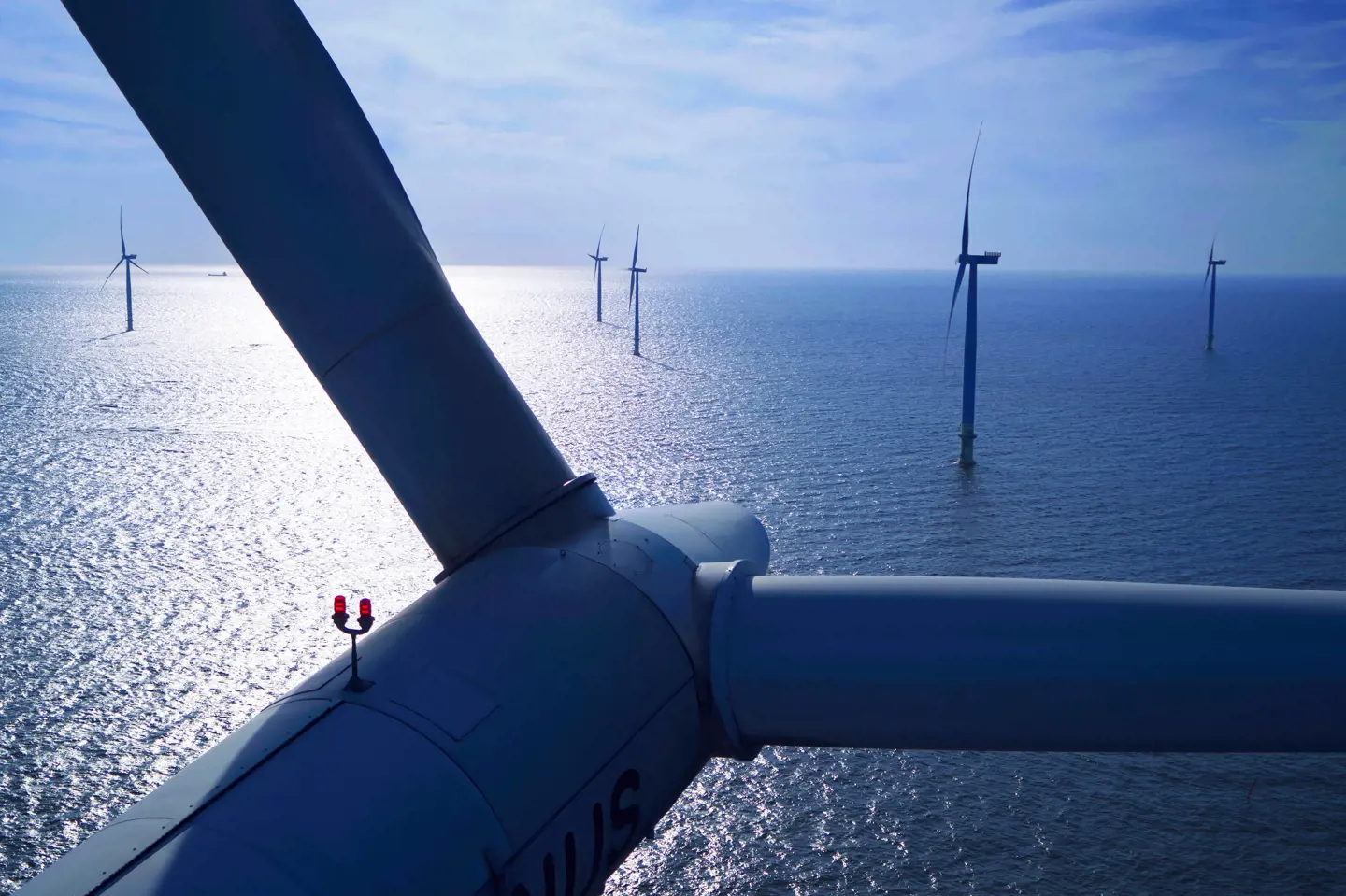
Clean tech and energy transition
Finland offers a predictable and scalable environment for clean tech investments, based on reliable energy supply, industrial readiness and access to EU markets. Activity ranges from renewables and hydrogen to batteries, sustainable materials, circular economy solutions and industrial decarbonisation, with projects developed on commercial terms and linked to well-established value chains.
Battery value chain
Battery value chain
Finland covers the whole battery value chain, from materials and cells to recycling and electrified applications. Clean electricity, and existing industrial infrastructure support manufacturing, R&D, and circular solutions linked to energy storage and working machines. Activity is aligned with EU battery initiatives and industrial demand. Not fragmented. But connected.
Why Finland
- Access to raw materials and clean electricity
- Participation in the European Battery Alliance and the EU’s IPCEI
- Battery recycling and process know‑how
- Growing demand from the industry and energy storage
What companies do in practice
- Produce precursor, cathode, and anode materials
- Manufacture cells, modules, and packs
- Develop recycling and second‑life solutions
- Electrify industrial and mobile fleets
Bio-based industrial production
Bio-based industrial production
Biorefinery investments in Finland build on renewable, circular feedstocks, such as forest-industry sidestreams and residues, clean electricity, and established bioprocessing know‑how. Companies develop pilot and commercial plants for biochemicals, biochar, pulp, and carbon capture and utilization (CCU)–based products, supporting export-oriented growth through access to EU markets and industrial partners, without cutting additional trees.
Why Finland
- Abundant renewable feedstock
- CO₂‑free electricity for processing
- Established forest and bioprocessing cluster
- Access to EU markets
What companies do in practice
- Build pilot and commercial biorefineries
- Produce bio‑based chemicals and materials
- Develop CCU‑based production routes
- Partner with industrial customers
Clean energy production and integration
Clean energy production and integration
Finland develops wind, solar, storage, and nuclear projects connected to a stable grid. Clean power supports industry, data centers, and hydrogen production through longterm power purchase agreements (PPAs). Energy is produced where it can be used. That simplifies planning.
Why Finland
- Commercial wind and solar projects without operating subsidies
- Grid access and industrial PPAs for large energy users
- Storage and grid‑balancing R&D environments
- Nuclear development, including small modular reactors and EUlevel IPCEI programs
What companies do in practice
- Develop and operate wind, solar, and storage assets
- Secure PPAs with industrial and infrastructure users
- Test grid integration and storage solutions
- Plan nuclear and fusion‑related projects
Electrified and connected machinery
Electrified and connected machinery
The development and testing of electrified and automated working machines for construction, mining, ports, and logistics are championed in Finland. Real operating environments allow companies to test power systems, controls, and integration with batteries and hydrogen before EU market rollout.
Why Finland
- Industrial testbeds in real environments
- Expertise in electrification and control systems
- Integration with battery and hydrogen solutions
- Access to OEM and Tier‑1 ecosystems
What companies do in practice
- Electrify and automate machinery fleets
- Test machines at live industrial sites
- Integrate energy storage and power systems
- Prepare products for EU markets
Hydrogen economy and technologies
Hydrogen economy and technologies
Hydrogen projects in Finland build on CO₂‑free electricity, established industrial sites, and access to EU markets. Electrolysis, derivatives, and e‑fuels can be located close to ports, industry, and energy supply. Industrial parks and clear permitting pathways support faster setup and scaling.
Why Finland
- Low‑carbon electricity with grid connectivity
- Industrial parks enabling faster project setup
- Access to biogenic CO₂ for e‑fuels
- Participation in EU hydrogen and IPCEI programs
What companies do in practice
- Build electrolyzer-based hydrogen plants
- Produce ammonia, sustainable aviation fuel (SAF), and synthetic fuels
- Integrate hydrogen into industrial processes
- Develop solutions to capture and use or store carbon
Lower-carbon industrial operations
Lower-carbon industrial operations
Finland enables industrial decarbonization through clean electricity, electrification, and process changes. Energy‑intensive companies use existing industrial locations, regional support, and EU access to convert production and expand lower‑carbon manufacturing. Practical steps, not theory.
Why Finland
- Competitive clean electricity
- Industrial sites with permitting pathways
- Regional development agency support
- Gateway to EU markets
What companies do in practice
- Convert industrial processes to low‑carbon energy
- Install electrified and energy‑efficient systems
- Combine energy, materials, and digital solutions
- Expand EU‑facing production
Low-carbon fuels at scale
Low-carbon fuels at scale
In Finland, fossil‑free fuel production builds on renewable electricity, biogenic CO₂, and forest‑industry sidestreams, enabling circular, export‑ready solutions without cutting additional trees. Projects connect production with existing fuel logistics and users. Scale is planned from the start.
Why Finland
- Availability of biogenic CO₂ and biomass residues
- Clean electricity for fuel synthesis
- Strong forestry and fuel‑processing know‑how
- EU demand driven by regulation and end users
What companies do in practise
- Produce advanced biofuels and e‑fuels
- Supply aviation and marine fuel markets
- Integrate fuels into existing logistics chains
- Develop next‑generation fuel technologies
Materials replacing fossil inputs
Materials replacing fossil inputs
Finland supports bio‑based and circular materials that replace fossil inputs. Projects span packaging, textiles, construction, and chemicals, combining renewable feedstocks with industrial sites and partners. Piloting, scale‑up, and EU market entry are planned as part of the same process.
Why Finland
- Wood-based and other sidestreams
- Clean electricity for material processing
- Industrial partners and open ecosystems
- Corporate venture capital activity
What companies do in practice
- Build pilot and full-scale material plants
- Develop bio-based alternatives to fossil materials
- Test circular and recyclable products
- Scale production for EU markets
Our coming industry events
- Event
- 19.10.2026
- Event
- 28.9.2026
Want to know more? Contact our industry team.
Markku
Kivistö
Head of Industry, Cleantech
Juha
Peltomäki
Head of industry, Bio & Circular Economy
Sari
Toivonen
Senior Advisor, Cleantech